


Whether you're lighting up a camper van in the Karoo or installing garden path lights in the suburbs, 12-volt LED lighting is one of the most popular and practical low-voltage lighting solutions out there. But just how long can you expect your 12V LED lights to last?
Unlike traditional lights that burn out suddenly, LEDs fade gradually — and their longevity depends on several key factors. In this post, we break down what affects the lifespan of 12V LEDs and how to get the absolute most out of them for your home, vehicle, or project.
Key Takeaways
- 12V LED lights can last 25,000–50,000+ hours with proper care
- Gradual dimming (not burnout) defines their end of life
- Heat, humidity, and poor-quality components reduce lifespan
- High-quality LEDs with good ventilation last significantly longer
- Stable voltage and safe operating conditions are essential
Understanding LED Lifespan
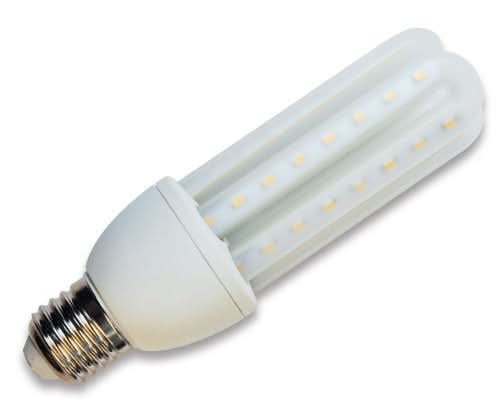
LEDs don’t burn out — they slowly get dimmer over time. That’s why lifespan is measured using the L70 standard, which refers to how many hours the light will operate before it drops to 70% of its original brightness. Most quality 12V LEDs are rated between 25,000 and 50,000 hours… that’s over 5 years of continuous use!
4 Factors That Affect 12V LED Longevity
1. Quality of the LED Components
High-quality LED chips and drivers play a major role in lifespan. Cheap lights often use lower-grade components that can’t handle heat well and degrade quickly. Stick to reputable brands and avoid no-name imports where possible.
2. Operating Environment
Excess heat, humidity, or extreme cold will shorten LED lifespan. While many 12V LEDs are designed for outdoor use, they still need to stay within their recommended environmental range to last.
3. Heat Dissipation
LEDs hate heat. Without good airflow or proper heat sinks, even the best chips will degrade over time. Aluminium extrusions are your best friend here — they keep your strips cool and stable for longer performance.
4. Stable Power Supply
12V LEDs need a reliable power source. Sudden surges, dips, or fluctuating voltage from poor-quality transformers or batteries will cause long-term damage. Always use surge-protected, regulated power supplies.
Tips to Extend the Life of Your 12V LEDs
- Buy from trusted suppliers — Quality matters for LED lighting longevity.
- Use proper extrusions and mounts — Heat management is essential.
- Install in well-ventilated areas — Don’t trap heat where LEDs are running.
- Protect from water and moisture — Especially if used outdoors or in vehicles.
- Ensure voltage stability — Use a good transformer and avoid overloaded systems.
Good 12V LED lights can run for years without issues — just treat them right from the start.
Whether you’re upgrading your bakkie, adding ambiance to your entertainment area, or installing new task lights in the kitchen, you’ll get serious mileage out of 12V LEDs with the right setup.
Explore our full range of 12V LED Lights here
Frequently Asked Questions
Q1: Do 12V LED lights burn out like traditional bulbs?
No, LEDs gradually dim over time. They don’t fail suddenly like incandescent or halogen bulbs.
Q2: How many hours can I expect from a good 12V LED?
With proper installation and conditions, you can expect 25,000 to 50,000 hours or more from a quality unit.
Q3: Can I use 12V LED strips in outdoor environments?
Yes, as long as they’re rated for outdoor use and protected from excessive water or humidity.
Q4: Will switching them on and off often reduce lifespan?
Not at all — LEDs are not affected by frequent switching like older bulbs are.
Q5: How can I keep them cool?
Use aluminium extrusions, avoid tightly enclosed spaces, and ensure good airflow wherever possible.


