


Indoor gardening has become a beloved hobby for many South Africans, not only for its aesthetic benefits but also for its ability to provide fresh produce in limited spaces. As awareness grows about the importance of sustainable living, aspiring gardeners are exploring various ways to cultivate their indoor plants effectively. Among the tools gaining popularity is the LED ring light. But can a LED ring light help plants grow? This article aims to delve into the role of lighting in plant growth, the advantages of using LED ring lights, and practical tips for maximizing your indoor garden.
Key Takeaways
- LED ring lights can provide the specific light spectrum needed for optimal plant growth.
- Using LED ring lights can enhance indoor gardening by ensuring adequate light even in low-light conditions.
- Compared to traditional grow lights, LED ring lights are often more energy-efficient and cost-effective.
- Proper positioning and duration of light exposure are crucial for maximizing the benefits of LED ring lights on plants.
- Indoor gardeners can achieve better results by integrating LED ring lights into their growth routines, alongside understanding plant needs.
Introduction to Indoor Gardening
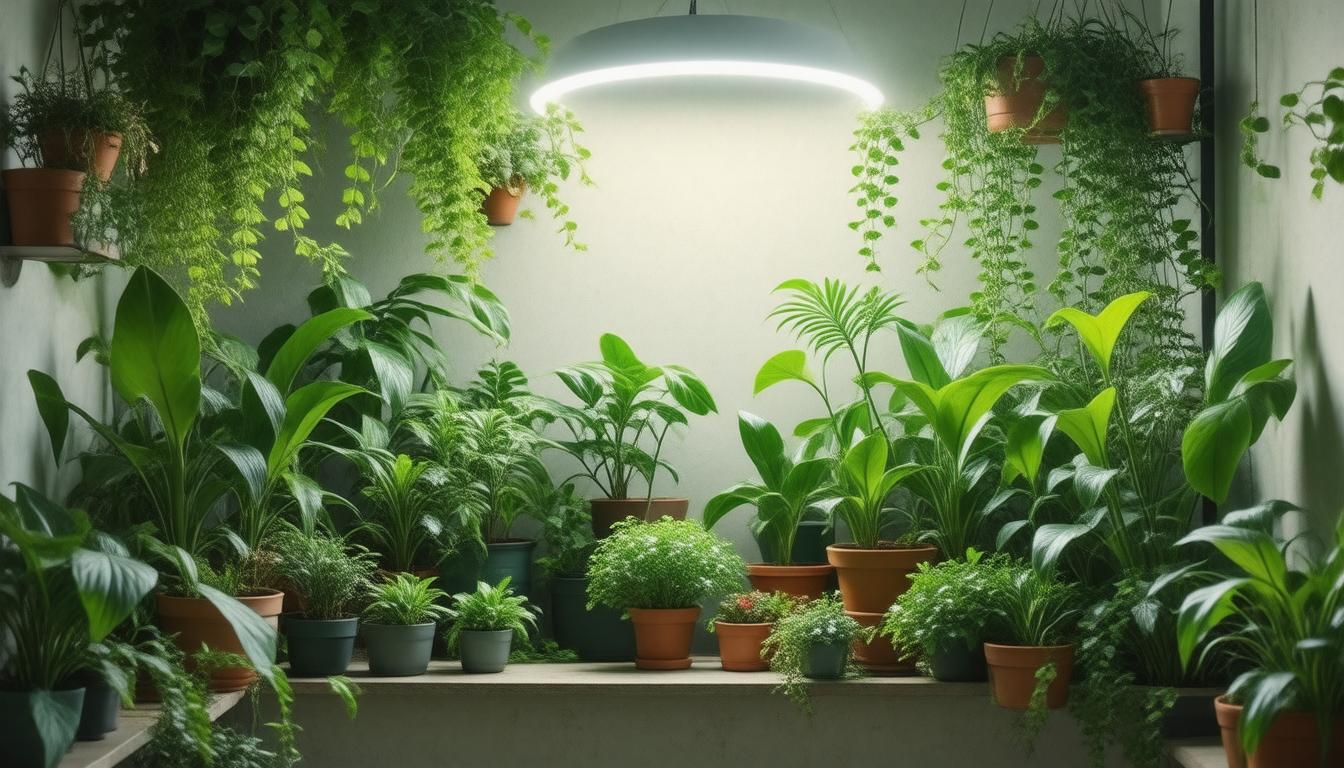
Indoor gardening has seen a significant surge in popularity among urban dwellers and plant enthusiasts alike, particularly in South Africa, where space can often be limited. As more individuals look to cultivate lush green environments within their homes, the need for effective lighting solutions has become increasingly apparent. One question that frequently arises is: can a LED ring light help plants grow? This query reflects the broader interest in understanding how artificial lighting can supplement natural sunlight, especially in regions where winter months can severely restrict plant access to light. LED ring lights, distinguished by their circular design, not only provide even illumination but also come with energy efficiency attributes, making them an appealing choice for indoor gardeners. Depending on the type of plants you are nurturing, understanding the photoperiod requirements and how consistent light exposure impacts growth can help you optimize your indoor gardening experience.
Understanding Plant Growth Requirements
Understanding the intricacies of plant growth is essential for any gardener and those interested in indoor gardening, especially in South Africa's diverse climate conditions. Plants, like all living organisms, have specific requirements that must be met for optimal growth, including light, water, nutrients, and temperature. One innovative solution that many indoor gardeners are exploring is the use of LED ring lights. But the question remains, can a LED ring light help plants grow? These specialized lights provide a spectrum of illumination that mimics natural sunlight, promoting photosynthesis even in low-light conditions. As you delve into indoor gardening, understanding how these lights can complement your growing environment can be crucial, particularly when raising seedlings or growing herbs indoors. LED ring lights are also energy-efficient, producing less heat, which reduces the risk of damaging sensitive plants. Additionally, their design allows for even light distribution, which is beneficial for plants positioned close together. When combined with proper watering and nutrient management, LED ring lights may significantly improve plant health and yield, making them a valuable tool for both novice and experienced gardeners.
'In every gardener, there is a child who believes in the seed.' – Joseph B. Wirtz
Benefits of Using LED Ring Lights
The growing popularity of LED ring lights extends beyond photography and videography; they also hold significant potential in the agricultural and horticultural sectors. One question that frequently arises is: can a LED ring light help plants grow? Indeed, these lights are designed to provide a consistent spectrum of light that can enhance plant growth. The technology used in LED ring lights promotes photosynthesis, allowing your plants to thrive even in low-light conditions or during seasonal changes. Moreover, LED ring lights produce less heat, which means they can be placed closer to plants without the risk of burning the foliage. This not only makes them safe for delicate seedlings but also enables efficient energy use, reducing electricity costs. For South African gardeners, utilizing these lights can extend growing seasons, particularly in regions where sunlight may be less consistent. Additionally, the adjustable brightness and color temperature found in many LED ring lights allow for a customized growing environment. This versatility makes it easier to cater to various plant species' unique light preferences, ensuring optimal health and encouraging robust blooms or fruit production. In summary, integrating LED ring lights into your gardening routine can significantly enhance plant growth, offering an innovative solution for both amateur and professional growers looking to maximize their yield.
Comparing LED Ring Lights to Traditional Grow Lights
When it comes to growing plants indoors or enhancing your home gardening efforts, the choice of lighting can have a significant impact on plant health and productivity. One question that frequently arises among gardening enthusiasts is: 'can a LED ring light help plants grow?' To answer this, it's important to look closely at the differences between LED ring lights and traditional grow lights. LED ring lights, commonly used in photography and videography, provide a uniform distribution of light that can be beneficial for some shallow-rooted or smaller plants. They are energy-efficient and generate less heat, which makes them suitable for close-quarters gardening. However, while they offer great illumination for aesthetic purposes, their spectrum may not fully penetrate the needs of plants that require specific wavelengths for photosynthesis. On the other hand, traditional grow lights, such as High-Pressure Sodium (HPS) or fluorescent bulbs, are designed specifically to provide the full spectrum of light necessary for vigorous plant growth. These lights emit the necessary wavelengths, particularly reds and blues, which are crucial during different growth stages of plants. For serious growers in South Africa looking to optimize their indoor garden, it is vital to consider the needs of your plants and the ambient conditions of your space. In conclusion, while a LED ring light can provide some supportive lighting for plants, it is more effective as a supplementary light rather than a primary light source for serious horticultural pursuits. Understanding the specific lighting needs of your plants will allow you to make an informed decision that maximizes growth potential.
Practical Tips for Using LED Ring Lights
If you are considering using LED ring lights in your plant care routine, you may be wondering: can a LED ring light help plants grow? LED ring lights are becoming increasingly popular among indoor gardeners, and for good reason. These lights are versatile, energy-efficient, and offer a full spectrum of light, which is essential for photosynthesis. To maximize their benefits for your plants, here are some practical tips. Firstly, position the LED ring lights correctly. Plants require varying amounts of light, depending on their species. Some may thrive under stronger light conditions, while others prefer indirect light. Experiment with the distance between the light and your plants to find the optimal setup. A good rule of thumb is to keep the light 30 to 50 centimeters away from your plants. Secondly, consider the duration of exposure. Most plants benefit from 12 to 16 hours of light, especially during their growing phase. You can use timers to ensure your plants receive consistent lighting without the risk of overheating. Additionally, explore the use of adjustable brightness settings. Many LED ring lights come with dimming features, allowing you to tailor the light intensity to your plants’ needs. Lowering the brightness can be particularly beneficial during the germination stage, while brighter settings can be utilized to support more mature plants. In conclusion, using LED ring lights can indeed assist in promoting healthy growth for your plants when utilized correctly. By adjusting the position, exposure time, and intensity, you can ensure that your indoor garden thrives regardless of the season.
Conclusion and Recommendations for Indoor Gardeners
In conclusion, for indoor gardeners striving to create the perfect growing environment, the question 'can a LED ring light help plants grow?' is an essential one. LED ring lights provide a spectrum of light that closely mimics natural sunlight, making them an excellent choice for promoting photosynthesis in plants that require adequate lighting conditions. Moreover, their adjustable brightness and energy efficiency make them practical for home use, particularly for those living in areas with limited natural light. It is recommended that indoor gardeners experiment with different placement and brightness levels, ensuring their plants receive the right amount of light throughout their growth stages. Additionally, combining LED ring lights with other indoor gardening techniques, such as regular watering and proper nutrient management, can yield even better results. For those interested in maximizing their indoor gardening experience, investing in a quality LED ring light could be a game-changer.
Frequently Asked Questions
What are the main benefits of using LED ring lights for my indoor garden?
LED ring lights provide a full spectrum of light that promotes photosynthesis, enhances plant growth, and can be more energy-efficient than traditional grow lights. They also produce less heat, reducing the risk of burning your plants.
How do LED ring lights compare to traditional grow lights?
LED ring lights are generally more energy-efficient, produce less heat, and last longer than traditional grow lights. They also offer targeted light that can be adjusted more easily, making them suitable for various plant types.
Can all types of plants benefit from using LED ring lights?
Yes, most indoor plants can benefit from the light and energy provided by LED ring lights. However, different plants may have specific light requirements, so it's important to adjust the positioning and duration of light exposure according to the needs of each plant.
What practical tips should I follow when using LED ring lights for my plants?
Ensure the LED ring light is placed at an appropriate distance from the plants to avoid light stress. Use a timer to provide consistent light exposure, and regularly check your plants for signs of over- or under-lighting.
Are there any downsides to using LED ring lights for indoor gardening?
One potential downside is the initial cost of LED ring lights, which can be higher than traditional options. Additionally, while they are versatile, they may not provide the same intensity of light as specialized grow lights for very light-dependent plants.


